
In an interview with Essi Kummu and Minna Henriksson
We interviewed Essi Kummua, the writer and director of the reading theater concert *The Battle for Art and Decency*, as well as visual artist Minna Henriksson. The reading theater concert will be performed on Saturday, May 23, 2026, at 6:00 p.m. on the Parvisali stage at Mad House.
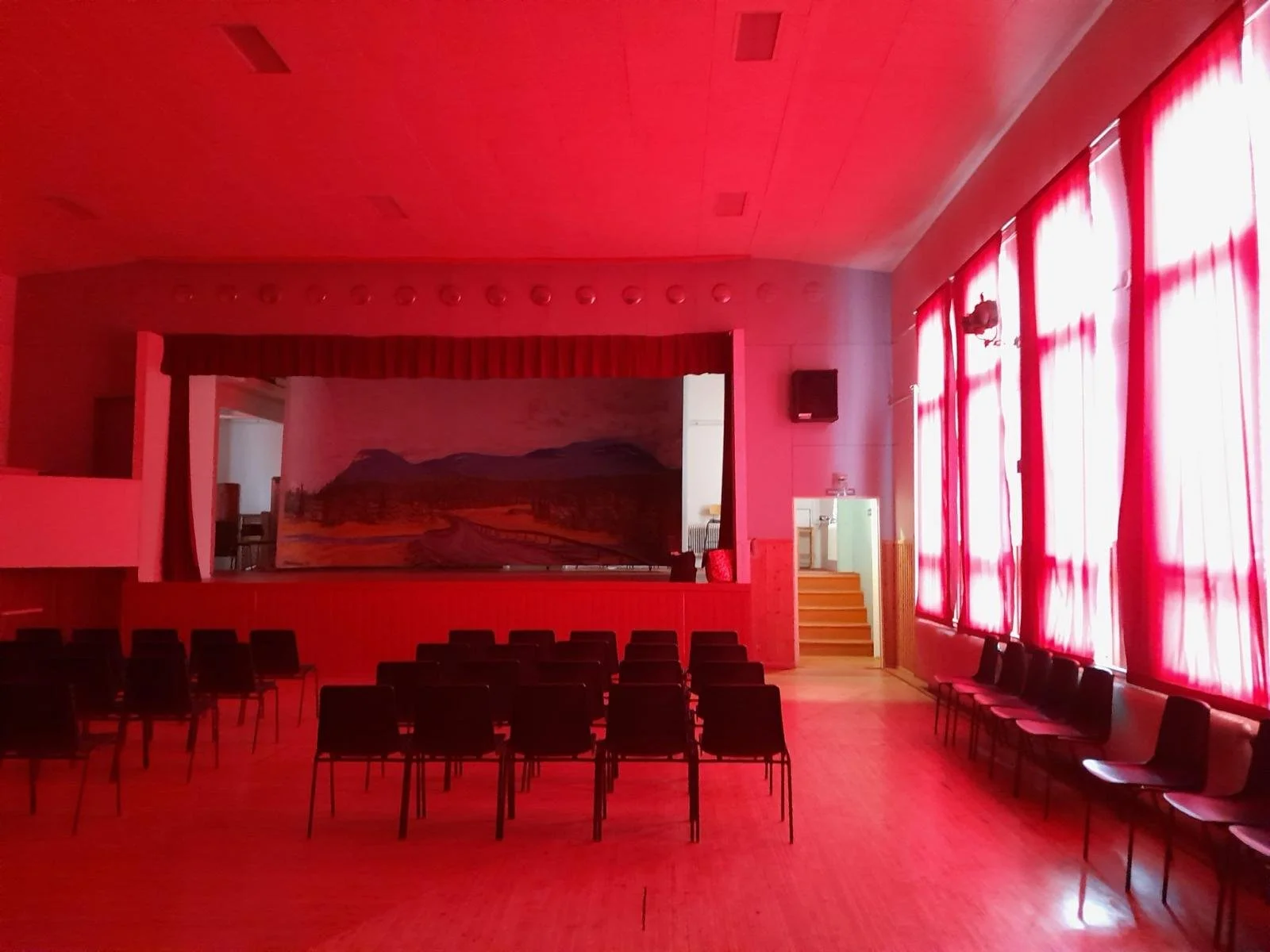
Photo: Marina Kastelli
Mad House: Minna, where did your interest in Kiila’s history come from, and how did the Feminist Archive begin to take shape?

Minna Henriksson
Minna Henriksson: I joined Kiila ry in 2017. It was during the Sipilä administration. As a counterweight to right-wing politics, it felt important to be part of a left-wing artists’ organization. Kiila is a 90-year-old organization, originally founded in 1936 as a non-aligned group of left-wing writers opposed to fascism—at a time when left-wing organizations were being persecuted and charged with sedition.
After joining the association, I began reading about its history and learned that most of its founding members were women. This did not match my image of Kiila. In my mind, the leading figures of its early days were mainly three outspoken men: Arvo Turtiainen, Jarno Pennanen, and Raoul Palmgren. A series of questions troubled me: What was the status of female writers in the association? Did they bring feminist perspectives or practices to the association’s left-wing and anti-fascist agenda? What does this kind of 1930s left-wing feminism look like?
When I joined Kiila’s board in 2017, there was nothing left of the organization’s former, perhaps feminist, stance.
In 2019, while working at Poimu, a feminist and anti-racist workspace, I began reading the works of female authors who were active in Kiila in the 1930s. Their radicalism and overt left-wing feminism made an impression on me. I also began to explore how their work was received. The quality and quantity of scathing literary criticism were the obvious reasons why these writers ended their careers early and are not well-known today. I began illustrating the works with linocuts and translating excerpts from them into English so that Kiila’s new members, who did not speak Finnish, could at least gain some understanding of them.
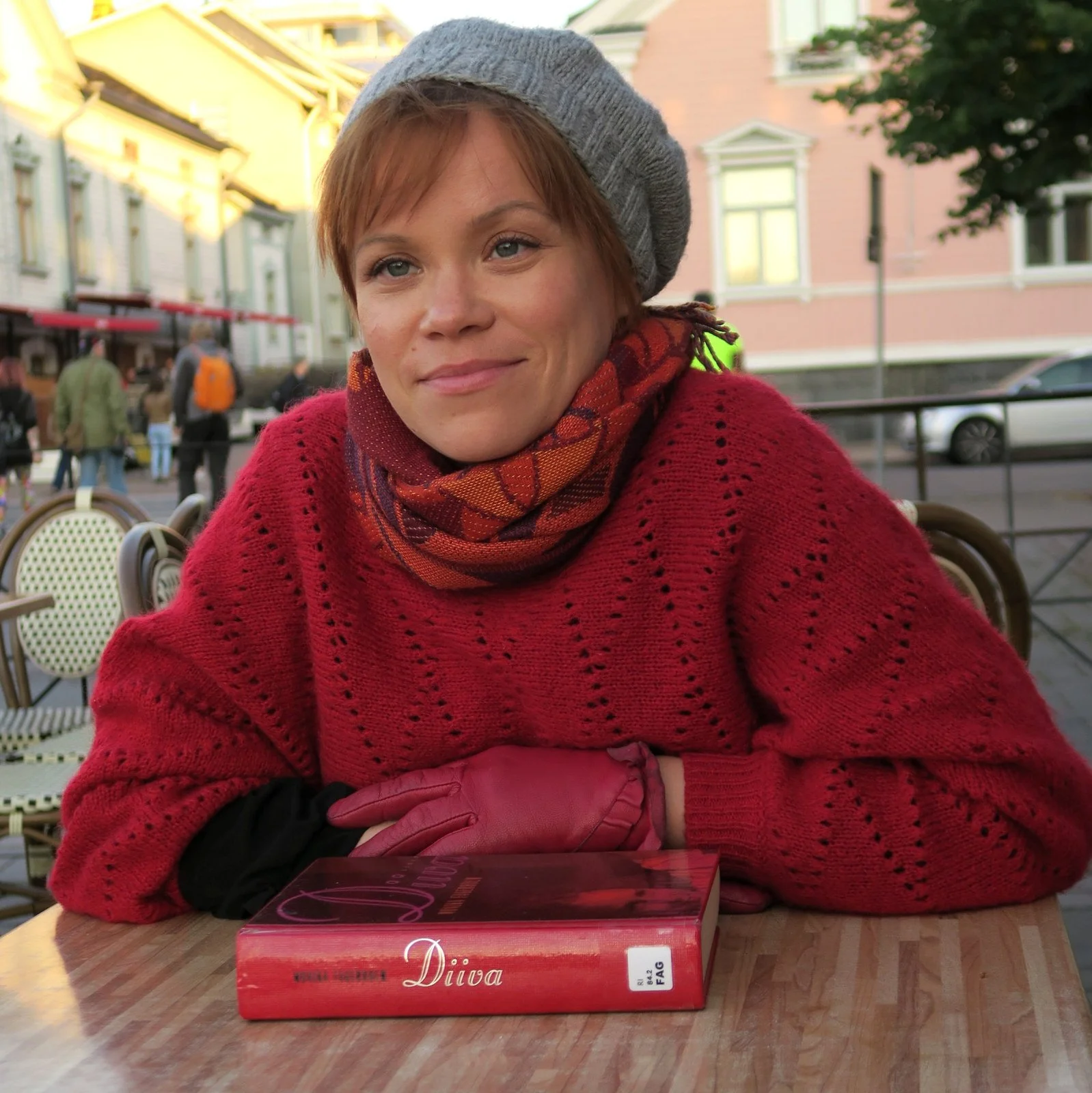
Essi Kummu
Mad House: Essi, how does the piece approach the transformation of historical material into a performance format? How were the texts selected?
Essi Kummu: Minna has done meaningful and comprehensive work with the material. For my part, the first six months were spent mostly just reveling in the abundance of the material. I had already experienced such a life-changing moment with these texts when I first encountered them at the Oulu Museum of Art that I knew the texts would play their own part in the work. When you find powerful literature, you recognize it, and you can also trust it.
I admit that a companion piece has emerged alongside this work, with the working title *The Battle for Art and Decency – Spare Parts*.
We have almost as much material in the outtakes as we ended up using in the final piece, and I dream that someday we’ll present that as well. Our team has had limited resources, and since the piece is still in its infancy, just beginning to take shape, I made a radical decision.
It had to be curtailed by force, even brutally.
A wealth of excellent material was left out when the literary war of the 1930s—and its gendered moralism with its violent language—that female authors faced was the only thing that remained.
I thought this piece could have only one central theme. I have also been comforted by the thought that this material could yield an endless number of stage versions. The texts are powerful stuff. The working group and I have constantly had to interrupt our reading and rehearsal sessions because someone always spontaneously stops to admire the author’s work.
I have also noticed how my spirit is strengthened by the influence of the writing of Iris Uurro, Katri Vala, Tyyne Maija Salminen, and Elvi Sinervo. That is by no means a trivial experience. I hope that this comes across to the audience as well.
MH: How do you see these texts as relevant today?
Minna: The texts by these Kiila authors cover a wide range of topics, from women’s social roles to critiques of patriarchy, sexuality, abortion rights, experiences of poverty, societal pressures to have more children, domestic violence, and so on. Many of these issues remain unresolved, and some have recently resurfaced. Particularly relevant today is militarization, a critique of which is most strongly expressed in Katri Vala’s poems and satirical essays.
Essi: The power of this work stems from a respect for the expression of a female writer who thinks, feels, and experiences—and from the need to defend that expression. Thematically, the work remains firmly rooted in the core of the topics Minna described earlier, for when the focus is on a woman’s own voice and, in particular, her body —a body that feels and experiences, a sensual body and bodily knowledge—the issue at hand is a woman’s position in society and the manifold ways in which power has been and continues to be exercised in relation to it. This idea applies to artists and gendered gatekeepers of criticism, regardless of the art field.
The timeliness of this work is saddening. It is a pressing issue that a woman who speaks out publicly has just been silenced in the public arena through physical assault at a Finnish protest. Freedom of thought and expression, as well as physical integrity, are civil rights regardless of gender.
